Just Kent Get Enough
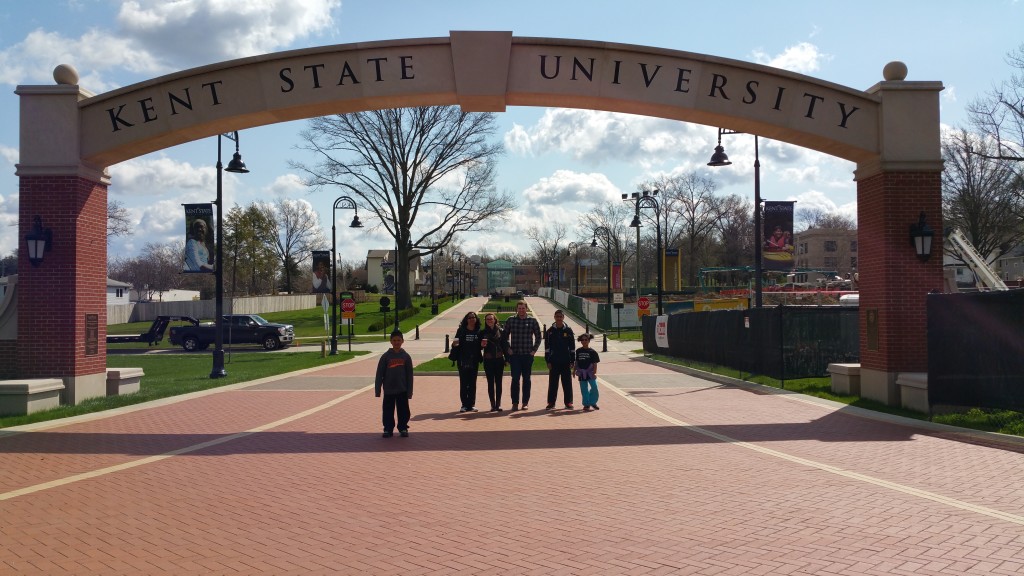
 We woke up on a sunny, yet windy day at the Kent State University Hotel. The downtown area of Kent, Ohio, is fairly new, having been recently developed (in roughly the last 5 years or so). The streets are wide, the buildings are low and a nice sandstone color with red accents from awnings to roofs. It is a very beautiful town.
As we turned the corner from the hotel, we could see one of the main entrances to Kent State’s campus. A beautiful green pasture sprawled before us, with a sign arching over the sidewalk reading Kent State University. We had officially arrived.
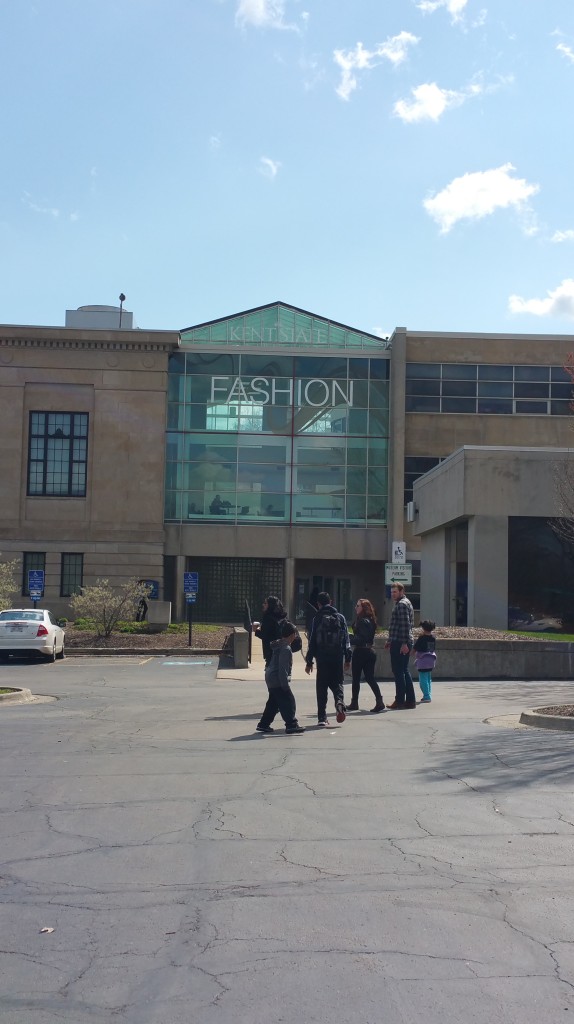
We had a wonderful tour the Fashion School, including the Textile Lab and fashion library. The Textile Lab houses a laser cutter, 3D printers, full-body scanners and more. We also had the opportunity to see the touring Wardrobe Truck, a truck fully stocked with affordable, well-designed clothing.
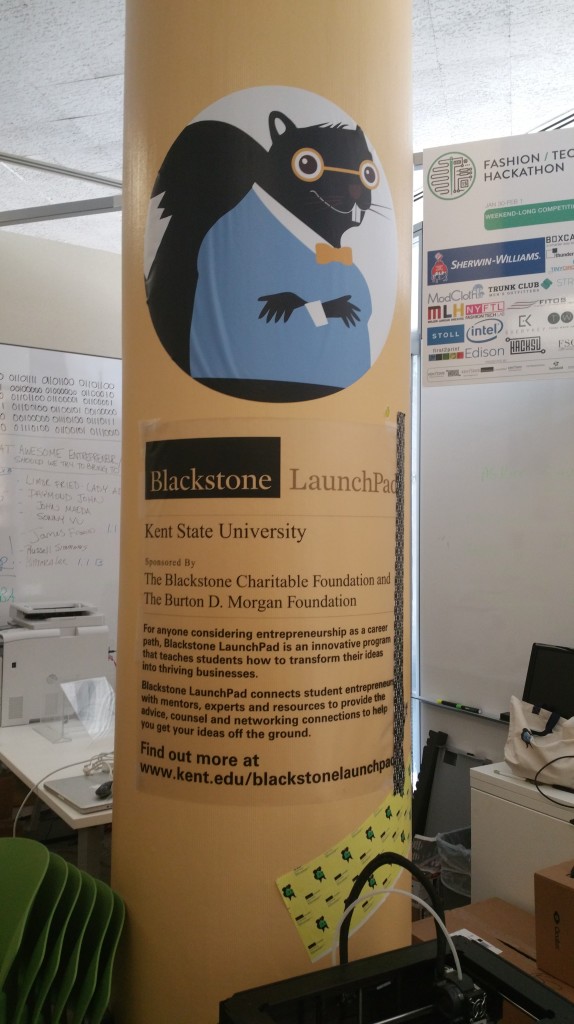
After the Fashion school, we made our way to the Blackstone LaunchPad, housed in the center of the Student Union. The prominent position of the LaunchPad is a pretty telling statement about the strategic importance of entrepreneurship at Kent. “Through meetings, mentoring, workshops and events LaunchPad helps create new businesses or grow existing start-ups in Northeast Ohio,” for students, faculty, staff and alumni. Blackstone LaunchPad is a pop-up space with a beautifully designed 3D-printed piece in the front. 
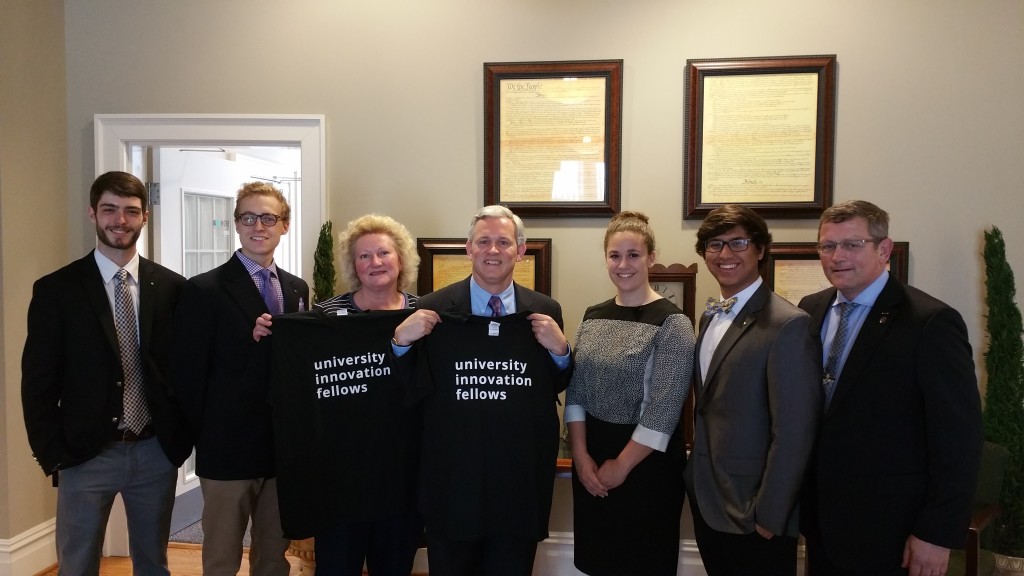
We were able to attend our 2nd pinning ceremony with the Fellows at Kent State: Robin Bonatesta, Matthew Allen, Tapti Saha and Sravan Kumar. The room was packed – with almost 30 students, faculty, deans, administration and the associate provost for academic affairs. Faculty sponsors, J.R. Campbell and Julie Messing provided a wonderful introduction of the Fellows and Humera Fasihuddin (co-lead of the University Innovation Fellows program), who provided a detailed introduction of the Fellows program. The Fellows, in great detail, spoke to their experience through training, two regional meetups and the annual meetup. They also discussed the projects they were involved in and the change they were making on the Kent State campus. The largest, and most fruitful event to date, is Kent Hack Enough and the Fashion / Tech Hackathon (wearable fashion technology).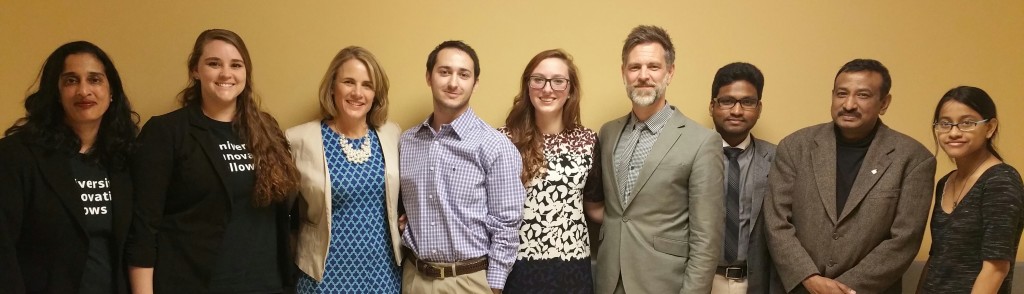
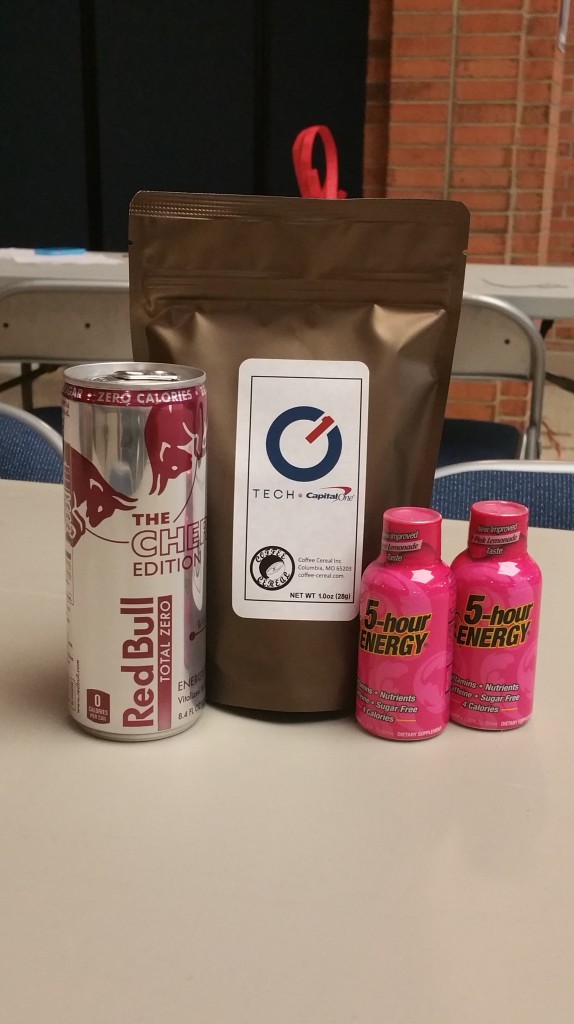
The Fashion / Tech Hackathon is held in the main campus library. The Kent State library provides the hackathon with access to three floors: one for food and drinks, one for co-working space and one for napping. Yes; napping. The Kent State hackathons run for 48 hours. The library is a great, modern space with modular furniture, access to Starbucks (café and vending machine) and a Student Multimedia Lab. The Student Multimedia Lab includes additional tools such as 3D printers, 3D pens and leap motion software.
Our final stop of the day is HacKSU. HacKSU is student-run group that manages Kent Hack Enough and also meets weekly to practice coding. HacKSU is lead by Fellow Robin Bonatesta and her colleague, Paul Dilyard. Each week they teach a coding topic. Each topic is additive to the week before. They also blog about the topics taught on the popular forum, medium.com (@PaulDilyard, @RobinBonatesta). It was really easy, as a new learner, to walk into this meeting, join the community and have them help set you up in the topic they were covering.
There is so much activity surrounding innovation and entrepreneurship at Kent State University. We are excited for the enhancements that will continue to occur within their I&E ecosystem.
Read all posts in this series here:
Just Kent Get Enough
 *A play on Virginia’s state motto, “Virginia is for Lovers.”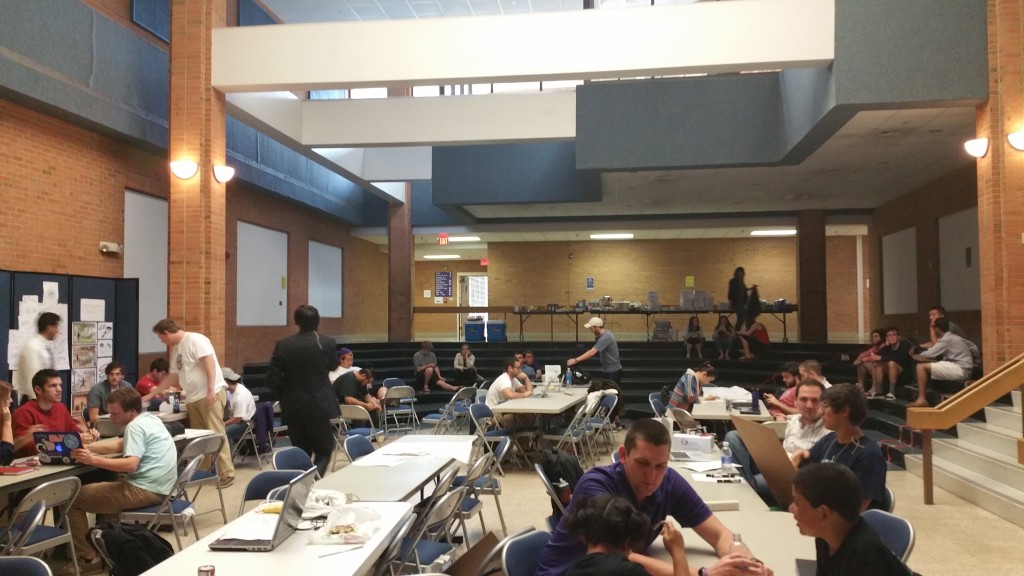
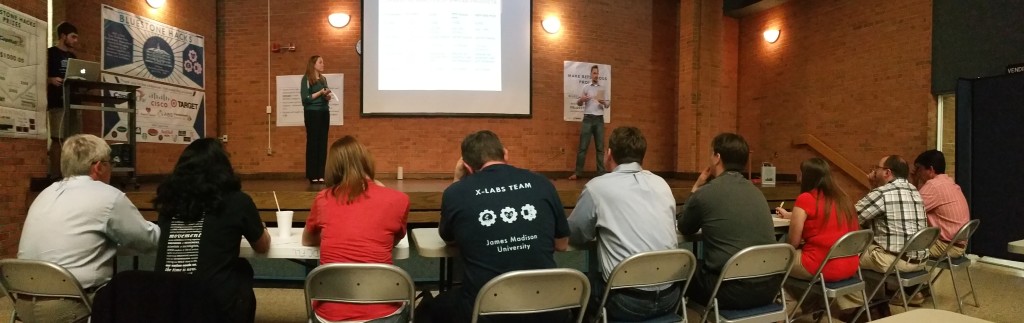 Fourteen teams had formed and had 5 minutes to present with an additional 2 minutes of Q&A from the panel of judges. The teams had developed ideas from aiding local food producers market where they would be selling local produce to gym powered greenhouses to apps organizing medical emergency information to a mobile solution for HR companies on-boarding their new hires. The winner of Bluestone Hacks was Volterre, a mobile app designed to predict epidemics. The software monitors moods, social networks and google searches in a geo-targeted location to identify the spread of sickness in order to avoid epidemics. The winner was a senior at JMU studying physics.
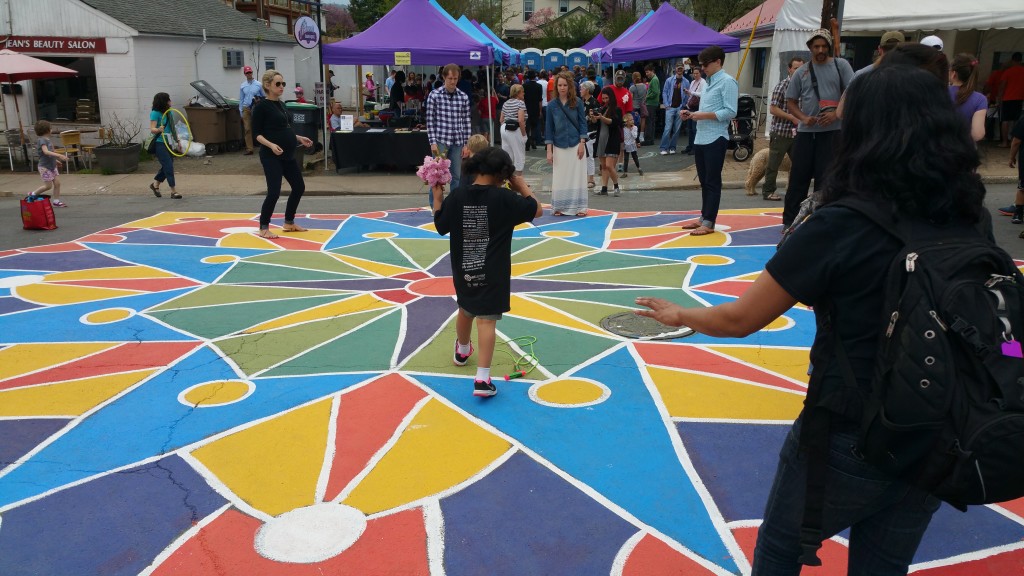
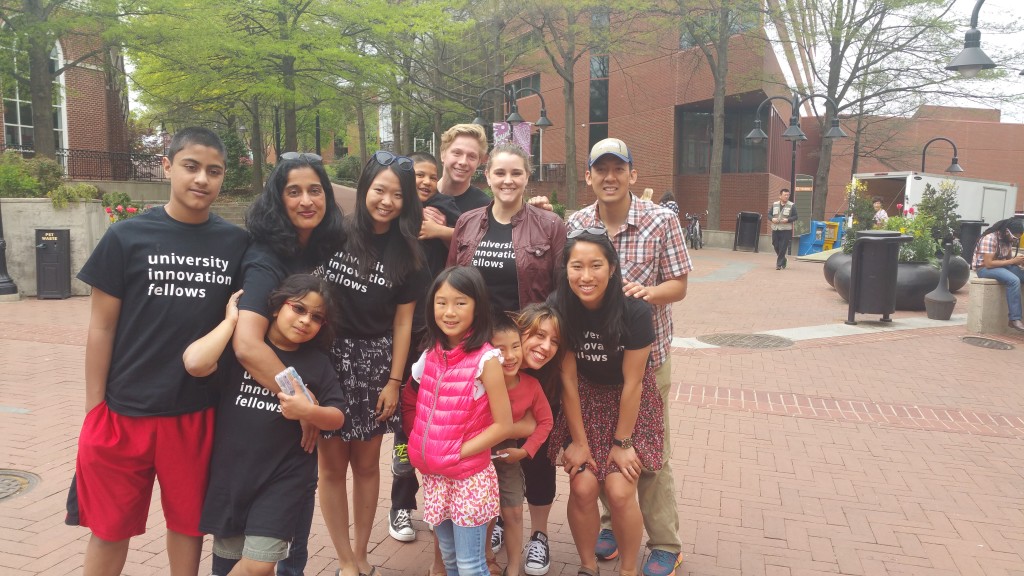
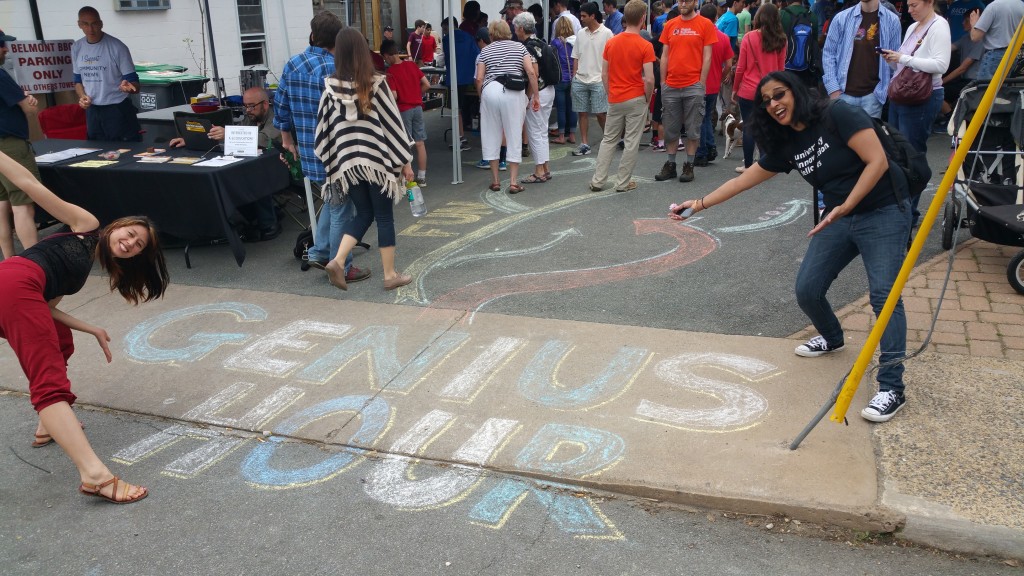 There, we attended the Genius Hour — an event for makers of all ages — and saw many K12 and collegiate-level projects. It was described as “…a celebration of tech enthusiasts, crafters, educators, tinkerers, hobbyists, engineers, artists, and students.” We had the opportunity to meet one of the organizers, Nate, a senior at UVa, who reached out to TomTom Fest organizers and pulled together the community to exhibit their creativity. As a program, we had heard we were making a difference (from both faculty sponsors and Fellows), but we were blown-away as community members recognized our University Innovation Fellows t-shirts at TomTom Fest.